Darbar Indian Cuisine Home

Category

Spice Guides

7 articles

Hing, Unhidden: The Savory Pinch That Makes Indian Cooking Click

Hing, Unhidden: The Savory Pinch That Makes Indian Cooking Click

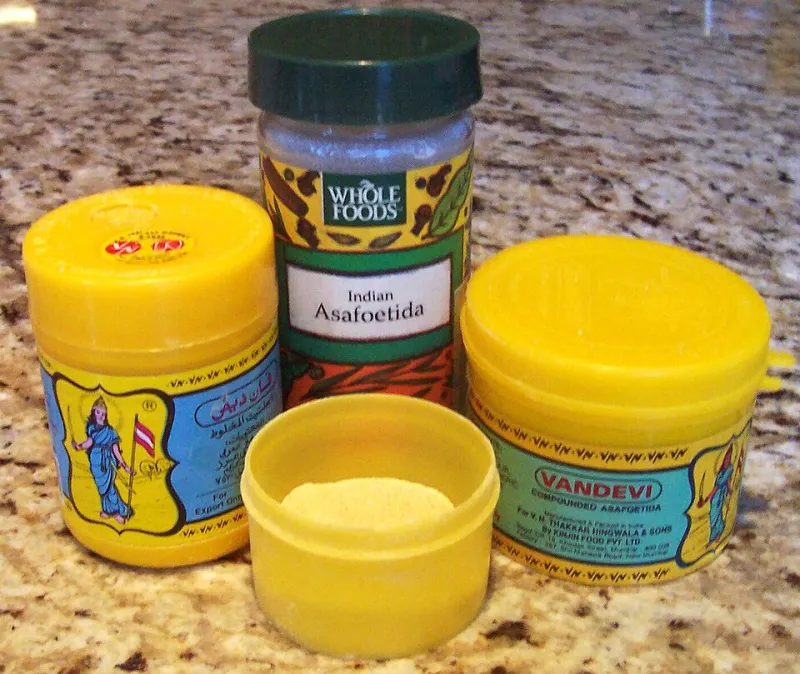
Asafoetida is the spice that smells like trouble and tastes like a shortcut to depth. Here is how a pinch of hing, bloomed in hot fat, quietly changes dal, vegetables, and snacks—and how US cooks can buy, store, and use it without overthinking it.
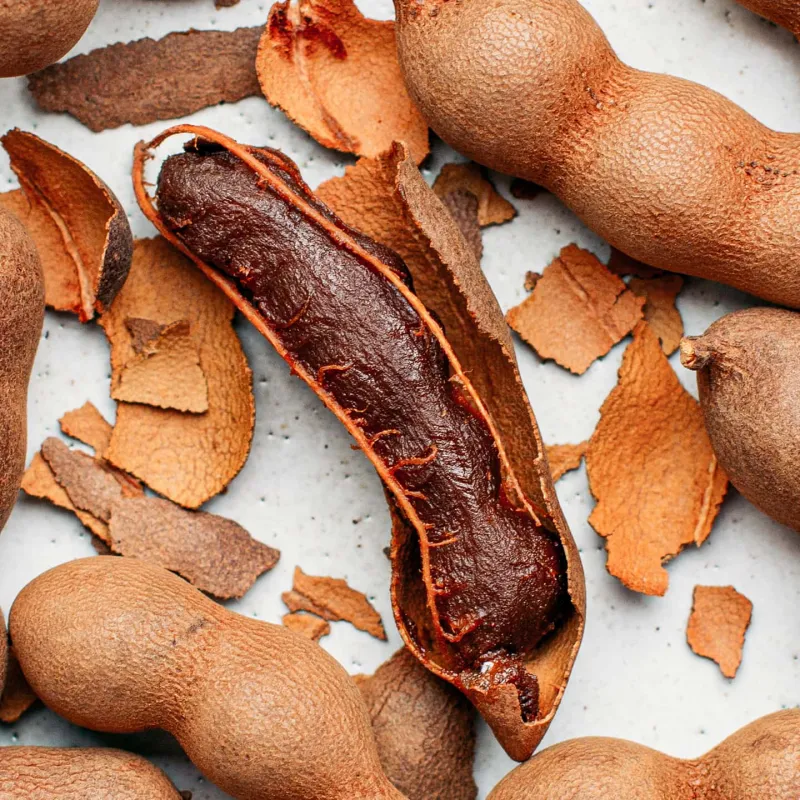
Sour Is a Place: Reading Indian Dishes Through Tamarind, Kokum, and Amchur

Sour Is a Place: Reading Indian Dishes Through Tamarind, Kokum, and Amchur

Tamarind, kokum, and amchur do more than make an Indian dish tangy. They act like regional coordinates, telling you whether you are eating along the coast, in the south, or in a northern kitchen. Here is how to taste sourness as a location clue and how to shop for these ingredients in the US without blurring their differences.

The Tiny Leaf With the Loudest Voice in South Indian Cooking

The Tiny Leaf With the Loudest Voice in South Indian Cooking

Curry leaves are often treated like a decorative afterthought, but in South Indian kitchens they are a foundational aromatic. Here’s how US home cooks can buy, store, and bloom them for dal, coconut rice, and fast weeknight vegetables.

Name the Note Before the Heat: A Tasting Lexicon for Indian Spices

Name the Note Before the Heat: A Tasting Lexicon for Indian Spices

Most menus reduce Indian food to a heat level, but the real story is in the aroma. This practical tasting guide gives you the words for earthy cumin, cooling coriander, resinous asafoetida, and floral cardamom, plus a simple kitchen exercise and restaurant cues for describing what is actually on your plate.

Hot Fat, Whole Spices, Big Flavor: The Weeknight Power of Tadka

Hot Fat, Whole Spices, Big Flavor: The Weeknight Power of Tadka

Tadka is the quickest upgrade in Indian cooking: whole spices bloomed in hot fat and poured over dal, vegetables, or eggs. This guide maps the fats and spice combinations that define different regional kitchens—and shows how to get the sizzle right in a US kitchen without scorching the spices.

Your US Supermarket Spice Rack Can Cook Regional India—Here's How

Your US Supermarket Spice Rack Can Cook Regional India—Here's How

Regional Indian cooking can feel like a specialty-grocery checklist, but your US supermarket already holds more than you think. This spice-by-spice guide maps cayenne, serrano, chile de árbol, cumin, coriander, and cardamom to real regional dishes, with three pantry-friendly recipes.